
Pitṛ Pakṣa — A Fortnight of Gratitude and Seva
॥ Hari Sarvottama Vāyu Jīvottama ॥
Remembering Those Who Came Before Us
Our lives carry the quiet blessings of those who came before us—their sacrifices, values, prayers, and love. Pitṛ Pakṣa is the sacred fortnight in which we pause to remember our departed ancestors with gratitude and perform the prescribed rites with Śraddhā—faith, sincerity, and reverence.
It is not merely a period of remembrance. It is an opportunity to turn gratitude into responsibility, Dāna, and Seva.
Pitṛ Pakṣa 2026
In 2026, Pūrṇimā Śrāddha is observed on 26 September. The principal Pitṛ Pakṣa period begins with Pratipadā Śrāddha on 27 September and concludes on 10 October 2026, with Sarva Pitṛ Amāvasyā, also known as Mahālaya Amāvasyā.
Families may perform the Śrāddha of their departed ancestors on the appropriate Tithi during this sacred period. As ritual dates and timings can vary slightly according to location and family tradition, it is advisable to confirm them with one’s family priest or local Panchāṅga.
What Does Pitṛ Pakṣa Signify?
The Vedic tradition teaches us to honour our parents with reverence:
मातृदेवो भव । पितृदेवो भव ।
Mātṛ-devo bhava. Pitṛ-devo bhava.
“Regard your mother as worthy of reverence; regard your father as worthy of reverence.”
— Taittirīya Upaniṣad 1.11.2
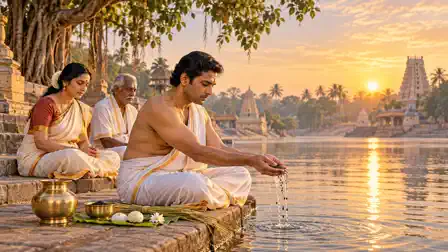
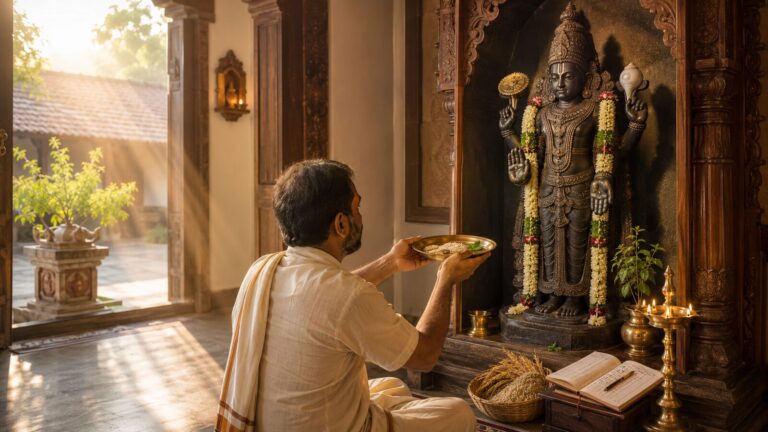
During Pitṛ Pakṣa, this reverence continues through Tarpaṇa, Piṇḍa-pradāna, Śrāddha, prayer, and Dāna. These observances express a simple truth: we are not self-made. We stand upon the blessings, struggles, and Dharma of earlier generations.
Who Has Adhikāra to Perform the Ritual?
Traditionally, the eldest son performs the Pitṛ-kārya. In his absence, another eligible son or male descendant may undertake it according to family tradition and Śāstric guidance. Where circumstances differ, one should seek the advice of a qualified family priest or learned Ācārya rather than abandon the observance.
Women may remember the ancestors with devotion, prayer, and suitable acts of Dāna and Seva. Customs concerning formal rites vary among families and Sampradāyas; therefore, the practice followed under proper guidance should be respected.
More than anything, Pitṛ Pakṣa calls for sincerity—not display. The offering may be simple, but the Śraddhā behind it should be deep.
Dāna During Pitṛ Pakṣa
Dāna offered during this sacred period becomes a meaningful extension of remembrance. One may offer:
- Anna-dāna or groceries to families in need
- Clothes, medicines, or educational support
- Dakṣiṇā and food to deserving Brāhmaṇas
- Fodder or support for Go-seva
- Assistance to the elderly, the sick, or those without family support
The Bhagavad Gītā beautifully describes Sāttvika Dāna:
दातव्यमिति यद्दानं दीयतेऽनुपकारिणे ।
देशे काले च पात्रे च तद्दानं सात्त्विकं स्मृतम् ॥
Dātavyam iti yad dānaṁ dīyate ’nupakāriṇe,
deśe kāle ca pātre ca tad dānaṁ sāttvikaṁ smṛtam.
“That gift which is given as a duty, at the proper place and time, to a worthy recipient, without expectation of return, is remembered as Sāttvika Dāna.”
— Bhagavad Gītā 17.20
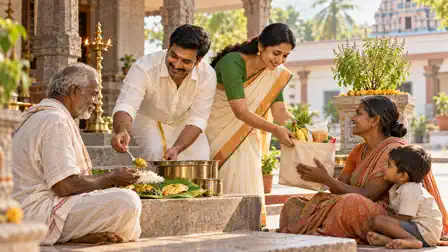
When Remembrance Becomes Seva
The most touching tribute to our ancestors is to allow their memory to become compassion. A meal served to a hungry person, medicine offered to someone in distress, or help given to an elderly person can carry their values forward.
Such Seva should be performed quietly, respectfully, and without expectation. The receiver must be treated not as an object of charity, but with dignity—as an opportunity given to us to serve.
The Fruits of Dāna and Seva
When performed with devotion and humility, Dāna and Seva purify the mind, soften the heart, and strengthen gratitude within the family. They help preserve Dhārmic values across generations and direct remembrance towards something living and beneficial.
We should not reduce these acts to a transaction for worldly rewards. Their deeper fruit is the inner transformation that comes when remembrance, gratitude, and compassion meet.
As Madhwas, How Do We Understand Pitṛ Pakṣa?
As Madhwas, we understand creation through Tāratamya—the divinely ordained hierarchy in which every Devatā and every Jīva has a distinct place, nature, and dependence.
Within this sacred order, the Pitṛ Devatās are honoured in their rightful place. We remember our ancestors with affection, perform the prescribed rites with humility, and recognise Sri Hari as the Antaryāmi—the indwelling Lord who sustains the Pitṛ Devatās, our departed elders, and ourselves.
This understanding fills Pitṛ Pakṣa with both tenderness and devotion. We do not remember our ancestors in isolation; we remember them within Sriman Nārāyaṇa’s compassionate order. With this awareness, our Tarpaṇa, Dāna, and Seva become more than family duties—they become sacred offerings placed at His lotus feet.
A Thought to Carry with Us
Pitṛ Pakṣa gently reminds us that gratitude must not remain only in the heart. It must flow through our hands—in prayer, in giving, and in service.
May all our readers, and every family observing the sacred rites of Pitṛ Pakṣa with Śraddhā and sincerity, receive the blessings of the Pitṛ Devatās.
May the departed ancestors be remembered with gratitude; may harmony and Dhārmic values endure through their families; and may the Dāna and Seva offered in their memory bring nourishment, dignity, and hope to those in need.
Above all, may Sriman Nārāyaṇa, the Supreme Lord upon whom the Pitṛ Devatās and all jīvas eternally depend, bless every family with right understanding, devotion, wellbeing, and the strength to continue upon the path of Dharma.
May every act of remembrance, offering, and service ultimately reach His lotus feet.
॥ Śrī Kṛṣṇārpaṇamastu ॥
Coming next: Article 9 in our series on Dāna and Seva.